 EN
 FR
 DE
 NL
A CDW is a promise from the rental company to cap your bill, not an insurance policy in your name. This guide explains CDW car hire, the difference between excess and deposit, what Super CDW and Full Coverage change, and what a standard waiver leaves out once the tarmac ends: tyres, glass, underbody, water and the roads where your cover stops.
CDW car hire: the vocabulary in one table
Five words come up in every rental agreement, and car hire companies use them loosely. Here is what each one does and who it protects.
| Term | What it does | What it usually leaves out |
|---|---|---|
| TPL (third-party liability) | Pays for injury and damage you cause to other people and their property, up to a limit | Any damage to the car you hire |
| CDW (collision damage waiver) | Caps your bill for damage to the hire car at the excess | Tyres, rims, glass, underbody, water damage, roof, negligence |
| Super CDW | A paid upgrade that lowers the excess, sometimes to zero, and often the deposit with it | Most CDW exclusions still apply |
| Full Coverage | The highest level the rental company sells: the lowest excess, often extended to tyres or glass | Negligence, forbidden roads and the conducts that void every cover |
| LDW (loss damage waiver) | A CDW that also covers theft of the car | Belongings left inside, keys left in the car |
In Central Asia and the Caucasus, a CDW is often backed by a comprehensive policy called CASCO or KASKO. You never buy that policy yourself: for you, it behaves like the CDW.
Excess and deposit are not the same thing
People mix them up, and it costs them. The excess is the most you pay for repairs if the car is damaged. The deposit is the sum you leave with the rental company on the first day, held on a card or taken in cash depending on the contract. You get it back if there is no damage and no extra cost.
A worked example, in whatever currency your contract uses. A CDW carries an excess of 1,500 and a deposit of 500. You scrape a wing on a rock face and the repair costs 2,400. You pay 1,500, and the rental company bears the remaining 900. Your 500 deposit goes towards that bill. If nothing is owed, it comes back to you.
A higher level usually lowers both. Super CDW and Full Coverage cut the excess, and many rental companies lower the deposit with them.
The full excess is the base figure. It is what a plain CDW leaves with you, before any upgrade lowers it.
A deposit of 0 means no deposit. It is an answer, not a blank field.
A high excess is not a bargain. It lowers the price per day, but you carry the difference if the car is damaged.
The excess can be written in another currency. The rental company's insurer may state it in US dollars while your rental is priced in your own currency. Read the currency next to the figure.
On every vehicle page, Rent2explore shows each cover's excess, deposit and details before you book. The contract and the voucher keep the figures you booked with.
What CDW leaves out on a 4x4 trip
Comparison sites explain CDW for a Spanish beach holiday. A 4x4 trip is another case, because the damage that happens on tracks is the damage a standard CDW leaves out. Read this list before you sign:
Tyres and rims. Punctures, sidewall cuts and bent rims are the most frequent damage off the tarmac. The number of tyres covered is often capped, and a tyre ruined by driving on it flat stays at your cost.
Windscreen and glass. Stones thrown up by other vehicles on gravel chip and crack glass all the time.
Underbody. Rocks, ruts and high-centring hit the sump, the axles and the exhaust.
Water damage. A river crossing that floods the engine is a classic exclusion.
Rollover and single-vehicle accidents. Some contracts cover collisions with another vehicle only.
Sand and stone chips. Sand in the mechanics, and chips on paint and lights, are common on desert and gravel routes.
Roof and roof tent hardware. Racks, the roof tent and its ladder are often outside the cover, as is camping equipment.
Where your cover applies: three kinds of road
A cover is not valid everywhere. Most rental companies sort the roads they know into three states, and the state decides what your cover does.
| Road state | What it means | What happens to your cover |
|---|---|---|
| Open | The vehicle may drive there as normal | The protection you chose applies normally |
| Restricted | Driving there is allowed, with conditions | You may go, but the cover does not apply there |
| Forbidden | Driving there breaks the rental contract | The cover is void, and every damage is at your cost |
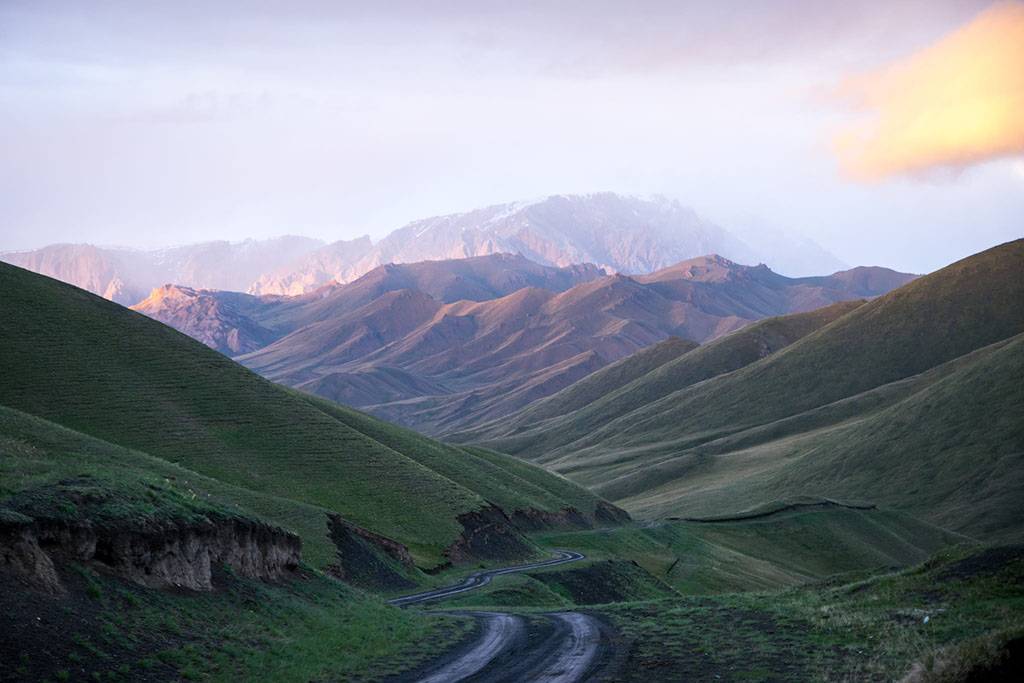
The middle state is the one that catches people out. You are allowed to be there, the car is not insured for it. Our guide to mountain passes, gravel and river crossings explains how to read a track before you commit to it.
Four conducts that void every cover
Whatever level you pay for, a cover falls if any of these four things happens:
driving under alcohol or drugs;
a serious traffic offence, such as excessive speeding;
a driver who is not named on the contract;
a driver without a valid licence.
They hold on open, restricted and forbidden roads alike. Name every driver on the contract before pick-up, even the one who "will only drive twice". Theft has its own exclusion: it is not covered if the keys are left in the vehicle or it is left unlocked. Lost keys are a separate cost on many contracts, so ask before pick-up.
Tyre and windscreen, roadside assistance: the covers sold apart
Because CDW leaves tyres and glass out, 4x4 rental companies sell them as separate covers. Two matter most.
Tyre and windscreen
It pays for punctures, destroyed tyres and chipped or broken glass. Look for the number of tyres covered, whether rims are included, and whether a tyre damaged by a flat run or a forbidden road is excluded. It usually is.
Roadside assistance and recovery
It pays for breakdown help and for bringing the car to a garage after a breakdown or an accident. Without it, a tow from a remote track is yours to pay, and it can run into hundreds of euros. It rarely covers a car stuck or stranded outside the permitted roads, or your accommodation while it is repaired.
Excess insurance, credit card cover and travel insurance
Excess insurance is a stand-alone policy sold by an independent insurer, not by the rental company. It refunds the excess after you have paid it, but it does not lower the deposit held on day one, and it has its own exclusions. Your credit card may include rental cover: check that it applies in the country, to this type of vehicle, and on unpaved roads. Most travel insurance policies leave out a hire car altogether, so read the insurance policies you already hold before you count on them.
After a puncture, a breakdown or an accident
The next hour decides whether you can make a claim, and whether the insurer behind the rental company accepts it. Keep this order:
Stay safe. If anyone is hurt, call the local emergency number first. 112 works in many countries.
Photograph everything. Vehicles, damage, road surface, plates, a GPS pin.
Call the rental company before any repair. A repair they did not approve is rarely refunded.
Ask for a written police report if there was a collision, a theft or an injury. Most covers need it.
Sign nothing you cannot read. Do not admit fault in a language you do not understand.
Keep every receipt. Tyre fitter, tow truck, garage.
At pick-up, spend ten minutes on the car: photograph the tyres, rims, glass, underbody, roof and every existing scratch, and check the spare wheel, the jack and the wheel brace. That set of photos is your best defence on return day.
Who pays for towing? Without a roadside assistance and recovery cover, you do. With it, the rental company or its assistance partner does, within the limits of the cover and usually only on permitted roads.
Which level for which trip
| Itinerary | What to look for | Why |
|---|---|---|
| Tarmac between cities | CDW, and glass cover if you can add it | Low risk, but stones from lorries still crack windscreens |
| Gravel loops, lakes, national parks | Super CDW or CDW with Tyre and windscreen | Tyres and glass are the usual damage |
| Mountain passes and river crossings | The highest level, Tyre and windscreen, Roadside assistance and recovery | Underbody and water damage, and a recovery that is expensive |
| Remote desert and dunes | The highest level, recovery, and written confirmation for that terrain | Standard CDW often stops at the edge of the sand |
To compare two levels, take the excess you remove and divide it by the daily price of the upgrade. The result is the number of days after which the upgrade has paid for itself if you use it once. On a long trip with tracks, it usually does.
Country notes: Kyrgyzstan, Georgia, Namibia and Oman
The vocabulary is the same everywhere. The legal frame is not. These notes cover what changes the way you read a contract.
Kyrgyzstan
Third-party liability (OSAGO) is compulsory for vehicles registered in Kyrgyzstan, and has been enforced since 1 July 2025.
Its limits are low: up to 300,000 KGS per victim in a death, and up to 150,000 KGS of property damage per victim.
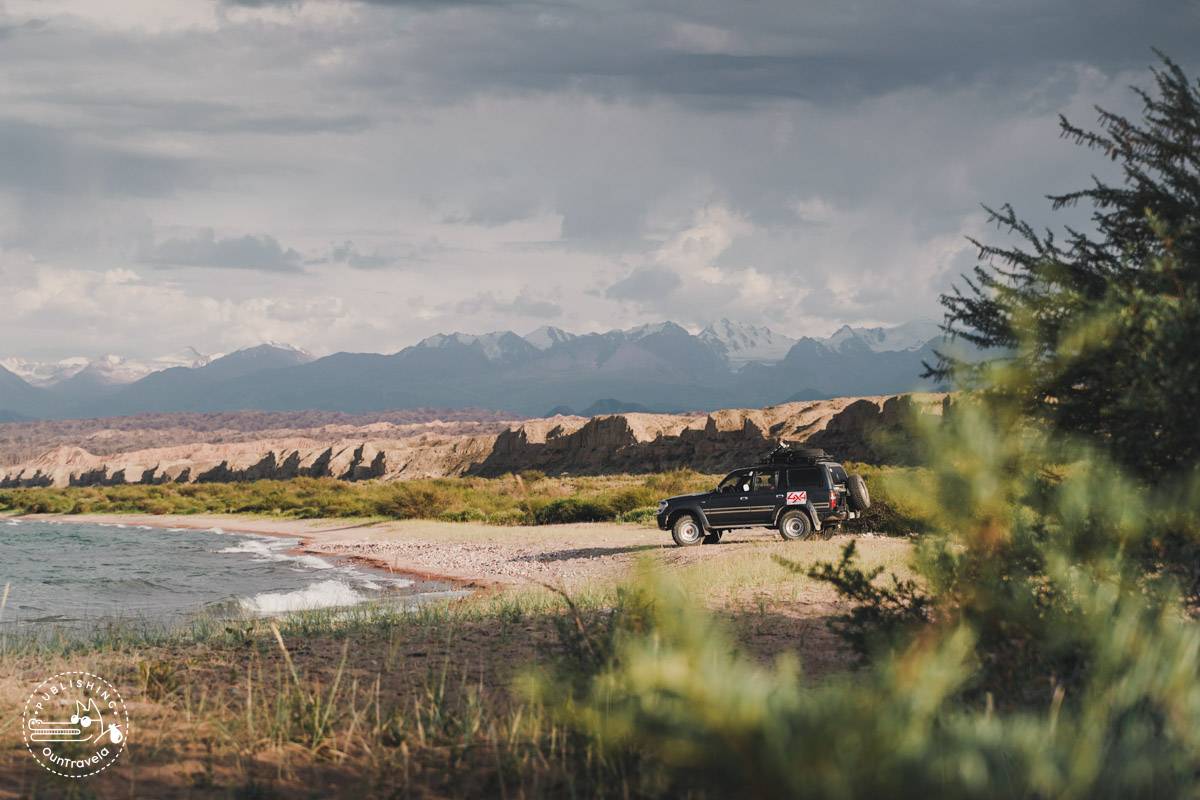
The best-known sights sit at the end of dirt tracks. The track to Song-Kul lake is a typical case where tyres and underbody decide your bill.
Emergency numbers: 102 police, 103 ambulance, 112 unified.
See the 4x4 and roof tent rentals in Kyrgyzstan.
Georgia
Compulsory third-party insurance in Georgia targets foreign-registered vehicles entering the country. Do not assume that a car registered locally comes with it: ask the rental company to show you the policy.
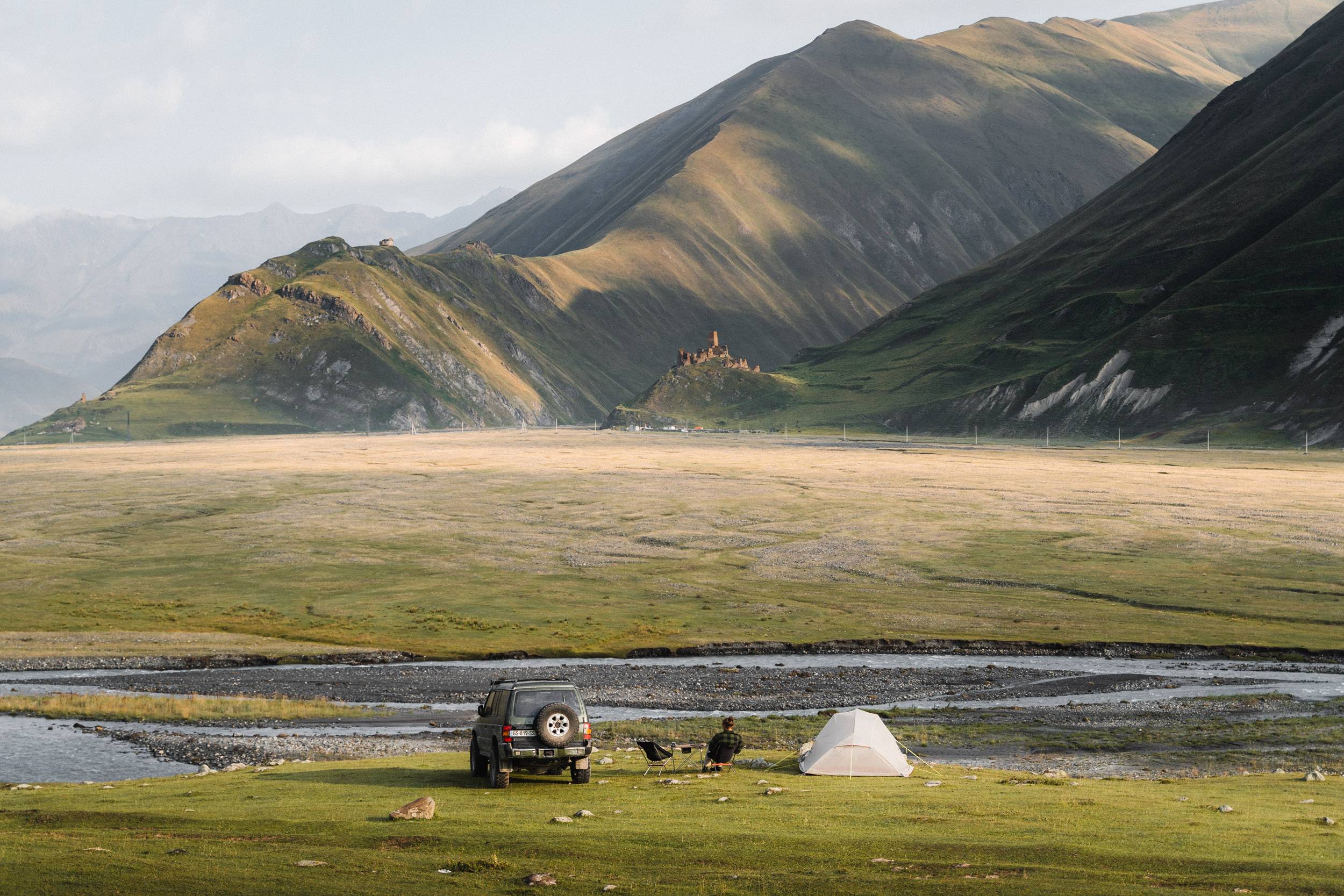
Mountain drives such as the Georgian Military Highway to Kazbegi are where glass, tyres and underbody take the knocks, so read those lines first.
Emergency number: 112.
See the 4x4 and roof tent rentals in Georgia.
Namibia
Motor insurance is not generally compulsory by law. Injury claims run through the state Motor Vehicle Accident (MVA) Fund, which is not your CDW. Third-party property cover comes from the rental contract: ask for its limit in writing.
Gravel is the norm, so tyres, glass, underbody and rollover are the lines to read. The excess is often in the tens of thousands of Namibian dollars (NAD).
Emergency numbers: 112, and 10111 for the police.
Campsites and roof tent rules are in our guide to camping in Namibia, and the 4x4 and roof tent rentals in Namibia list every cover.
Oman
Third-party liability is compulsory for road-legal vehicles, rentals included.
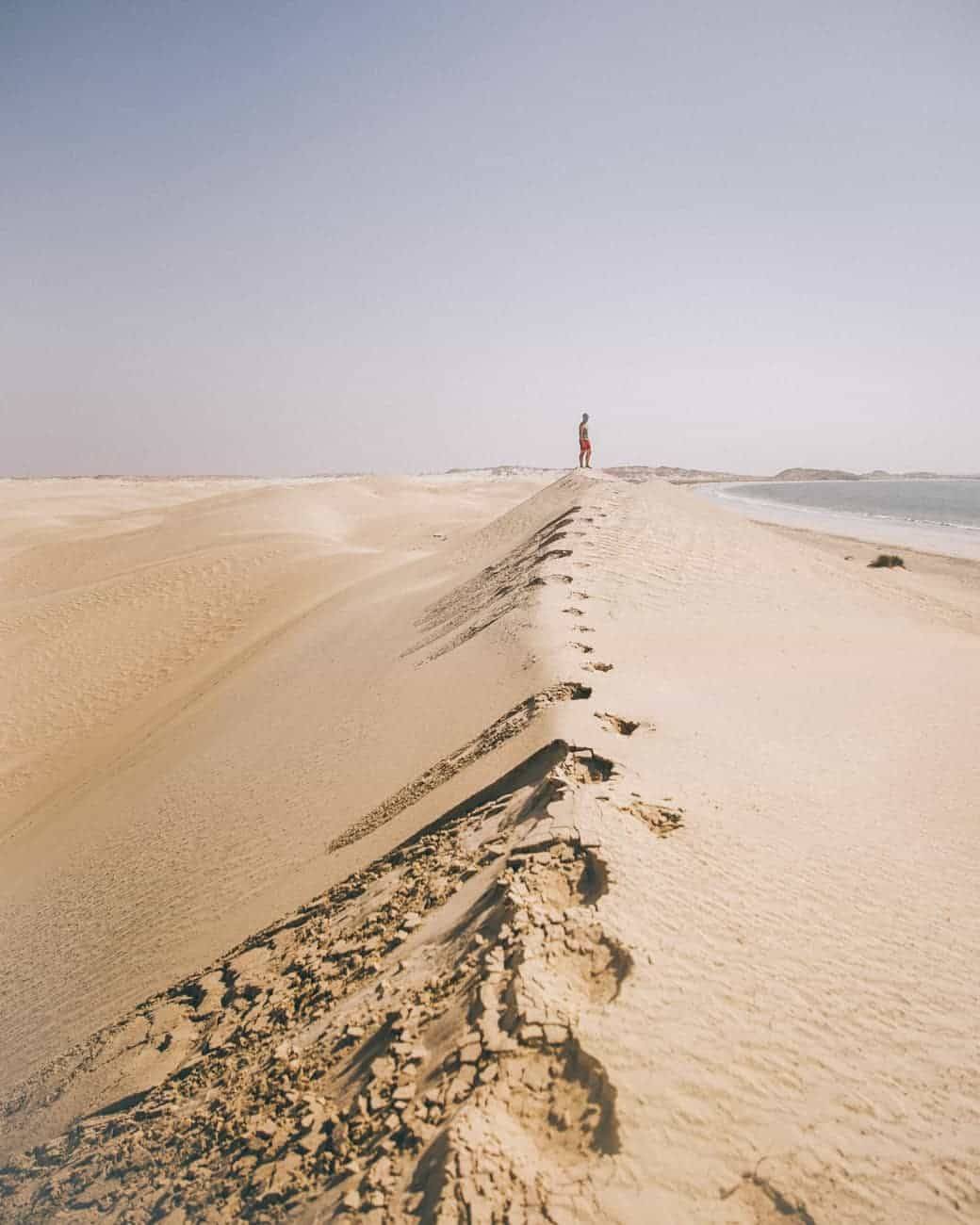
A standard CDW generally does not follow you into the dunes or through a flowing wadi. Get written confirmation for the terrain you plan, sand recovery included.
Emergency number (Royal Oman Police): 9999.
For sand, read our guide to Wahiba Sands and sand driving, then see the 4x4 and roof tent rentals in Oman.
Questions about CDW car hire
What does a collision damage waiver cover?
Damage to the hire car after a collision, up to the excess you owe. Exclusions vary by contract, and on a 4x4 trip they usually include tyres, glass, underbody and water damage.
What is the difference between CDW and LDW?
A loss damage waiver adds theft of the car to the damage that a CDW covers. In practice, rental companies use both words, so read what the contract lists.
Is CDW compulsory?
Third-party liability is compulsory in many countries, though not all (see Namibia above). The CDW is not: a rental company decides whether the CDW is included, optional or sold at a price, and it states this on the vehicle page.
Is CDW worth it on a 4x4 trip?
Yes, as a floor. But on tracks, a CDW alone leaves the most frequent damage uncovered. Add Tyre and windscreen and Roadside assistance and recovery, or choose a higher level that includes them.
Our bottom line
Read four things before you pay: the excess, the deposit, the exclusions that concern your route, and the road states. The covers are the rental company's: Rent2explore sells no insurance and settles no claim. What we do is show each cover's figures on the vehicle page before you book, and keep them in the contract and on the voucher. If a contract does not name tyres, glass or underbody, ask before you go. For a long trip, the gear matters as much as the paperwork, so see our list of ten gear items for overlanding.

