 EN
 FR
 DE
 NL
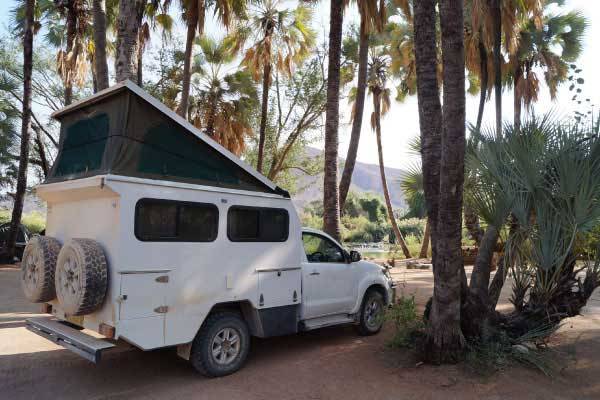
Kyrgyzstan is not the place to realize you've forgotten something critical. Mobile coverage disappears 20 km outside major towns.
1. Navigation & Communication
GPS Device & Offline Maps
A dedicated GPS with preloaded Central Asia maps is non-negotiable for remote Kyrgyz tracks. Recommended: Garmin GPSMAP 66i (also functions as a satellite communicator) or the Garmin 64st.
Phone backup options, download these before departure:
Maps.me: most comprehensive for off-road tracks in Kyrgyzstan
OsmAnd: highly configurable, good elevation data
Gaia GPS: excellent for overlanding, requires subscription
Google Maps: adequate for Bishkek and main paved roads only. Do not rely on it for off-road navigation.
Satellite Communicator
In remote areas, Song-Kul plateau, Kel-Suu approach, Naryn backroads, mobile coverage is absent. A satellite communicator provides two-way messaging and emergency SOS.
Recommended: Garmin inReach Mini 2, two-way messaging, global SOS, integrates with Garmin GPS.
Alternative: SPOT Gen4, one-way messaging, simpler, cheaper subscription.
2. Sleep System & Camp Comfort
Rooftop Tent vs Ground Tent
Rooftop tent advantages: sets up in 30-90 seconds, elevated off damp or rocky ground, stable sleeping platform, superior views.
Ground tent advantages: lighter, less expensive, can be set up away from the vehicle.
For vehicle-based overlanding in Kyrgyzstan, a rooftop tent is the practical choice. The combination of rapid setup, altitude, and frequently rocky terrain makes ground sleeping less comfortable.
Sleeping Bag Temperature Rating
Nights at Song-Kul (3,016 m) in late July-August: 0-8°C.
Nights at Kel-Suu approach (2,800 m) in August: 2-10°C.
Early June or late September: temperatures can drop below -5°C.
Minimum recommendation: -5°C comfort rating (EN 13537 standard).
Recommended for peace of mind: -10°C or a quality 3-season bag with a merino wool liner.
3. Water & Food Autonomy
Water Storage
Minimum: 10 litres per person for any stage with 24+ hours off-grid.
Options:
Collapsible jerrycan (5L or 10L): lightweight, easy to store when empty
Rigid HDPE jerrycan: more durable for rough tracks, harder to store empty
Lake and river water in Kyrgyzstan is not safe to drink untreated. Always carry more water than you think you need.
Water Filtration
Sawyer Squeeze: lightweight (90g), squeeze-through filtration, no pumping
MSR Guardian: fastest flow rate, best for groups, more expensive
Iodine tablets: effective backup, taste unpleasant
Cooking Setup
Compact gas stove (MSR Pocket Rocket 2 or Primus Express Spider) + fuel canisters. Coleman/Lindal-valve canisters are available in Bishkek and Osh. They are not available at rural petrol stations or in the field. Bring enough fuel for your entire off-grid duration.
4. Vehicle Recovery Equipment
What's typically included in a rental: one spare tyre (confirm: full-size, not space-saver), basic tool kit, tow rope.
What to verify is included or add yourself:
Hi-lift jack: standard scissor jacks are useless in soft terrain. A Farm Jack (Hi-Lift) can lift, pull, and push a stuck vehicle.
Snatch strap with soft shackles: for vehicle-to-vehicle recovery pulls. Soft shackles are safer than metal shackles if a strap snaps.
MaxTrax or sand ladders: if driving in mud, snow patches, or soft ground. Two boards fit behind a seat or under the rooftop tent.
Portable compressor: for deflating tyres on soft terrain and re-inflating after. 12V plug-in types work well.
Tyre repair kit: tyre plugs + CO2 cartridges for fast field repair of small punctures.
5. Power & Connectivity
Solar & Battery
For multi-day off-grid camping without running the engine:
Folding solar panel (100W): charges a leisure battery or USB devices during the day
Portable power station (Jackery 300-500, EcoFlow River): combined with solar, powers phone charging, laptop, lights
Most rental campervans include solar + leisure battery. Standalone 4x4 rentals generally do not, check the listing.
Vehicle Charging
12V USB adaptor (cigarette lighter socket): essential for GPS and phone charging while driving
Power bank (20,000+ mAh): for overnight charging without running the engine
Inverter (150-300W): if you need 220V for laptop or camera battery chargers
6. First Aid & Altitude Essentials
Core first aid kit:
Wound closure strips (Steri-Strips), sterile gauze, bandages
Blister treatment, long drives lead to long walks
Antihistamine (insect stings, plant allergies, pollen)
Ibuprofen + paracetamol
Oral rehydration salts (essential at altitude where dehydration happens faster)
Altitude-specific:
Diamox (acetazolamide): prevents altitude sickness (AMS); requires a prescription; consult your doctor at least 2 weeks before departure
Supplemental oxygen (small canister): useful for severe AMS symptoms before descent is possible
7. Clothing & Layering System
Kyrgyzstan has a strongly continental climate with dramatic daily swings:
Midday in a valley at 1,500 m in July: 32-35°C
Same day, evening at 3,000 m: 8-12°C
Night at 3,000 m: 2-8°C (can drop below 0°C)
Recommended layering system:
Base layer: merino wool (temperature-regulating, odour-resistant, fast-drying)
Mid layer: lightweight fleece jacket
Insulation layer: down or synthetic puffy jacket for evenings and sleep
Outer shell: waterproof + windproof jacket (even in summer, afternoon storms common at altitude)
Sun protection: UV index is significantly higher at 2,500+ m. Hat, quality sunglasses (UV400), SPF50+ sunscreen.
8. Tools & Spare Parts
| Item | Priority | Notes |
|---|---|---|
| Full-size spare tyre | Critical | Verify rental includes one; confirm it matches vehicle |
| Basic tool kit (wrenches, screwdrivers, pliers) | Critical | Usually included in rental |
| Duct tape + cable ties | High | Universal repair tools, carry more than you think |
| Extra fan belt (vehicle-specific) | High | Ask rental company for correct part number |
| Jumper cables or jump starter pack | High | For battery issues in cold morning starts |
| Spare fuses (assorted) | Medium | Electrical faults are common on old vehicles |
| Fuel jerry can (5-10L) | Medium | Emergency reserve; last petrol station before remote areas |
| Engine oil + coolant (small bottles) | Medium | Top-up quantities for long stages |
| WD-40 | Medium | Corrosion, stuck bolts, dust infiltration |
| Tyre pressure gauge (digital) | Medium | Analogue gauges are inaccurate at extreme temperatures |
9. Documents & Administration
Driving Licence Requirements
International Driving Permit (IDP): required in Kyrgyzstan (Geneva Convention 1949 format)
National licence: must accompany the IDP at all times
Rental agreement: keep in the vehicle at all times
Vehicle registration (техпаспорт): provided by rental company, keep accessible
Insurance certificate: includes OSAGO (mandatory third-party liability)
Passport: carry original; police checkpoints may request it
Permits (If Applicable)
If your itinerary includes Kel-Suu Lake, the Inylchek Glacier, or any area near an international border, you will need a border zone permit. Apply at least 6 weeks before departure. See: Kyrgyzstan Border Permits: The Complete Guide.
10. The Golden Rule: Weight Management
A fully loaded overlanding 4x4 handles very differently from an empty one. Payload limits are real and matter:
Toyota Land Cruiser 80/100: payload approximately 600-700 kg
Mitsubishi Pajero: payload approximately 450-500 kg
A rooftop tent + two adult occupants + personal gear already uses 250-400 kg
Excess payload increases the risk of:
Tyre failure (overloaded sidewalls on rough tracks)
Suspension damage (especially on repeated rough road use)
Voided insurance (some policies specify maximum payload)
Quick Reference: Your Overlanding Gear Checklist
Navigation & Communication
- ▢ GPS device with Central Asia offline maps
- ▢ Offline phone maps (Maps.me / OsmAnd)
- ▢ Satellite communicator (Garmin inReach)
Sleep & Comfort
- ▢ Rooftop or ground tent
- ▢ Sleeping bag rated to -5°C or below
- ▢ Sleeping mat / mattress pad
- ▢ Camp pillow
Water & Food
- ▢ Water jerrycan (10L+ per person for remote stages)
- ▢ Water filter (Sawyer Squeeze or MSR Guardian)
- ▢ Compact gas stove + fuel canisters
- ▢ Cooking pot, utensils, plates
Recovery & Safety
- ▢ Hi-lift jack
- ▢ Snatch strap + soft shackles
- ▢ Portable compressor
- ▢ MaxTrax / sand ladders (for mud/snow)
- ▢ Tyre repair kit
Power
- ▢ 12V USB adaptor
- ▢ Power bank (20,000+ mAh)
- ▢ Solar panel (for multi-day off-grid)
First Aid & Altitude
- ▢ Full first aid kit
- ▢ Oral rehydration salts
- ▢ Diamox (prescription required)
- ▢ SPF50+ sunscreen
Documents
- ▢ International Driving Permit + national licence
- ▢ Passport + copies
- ▢ Rental agreement + vehicle registration
- ▢ Insurance certificate
- ▢ Border zone permit (if applicable)

