 EN
 FR
 DE
 NL
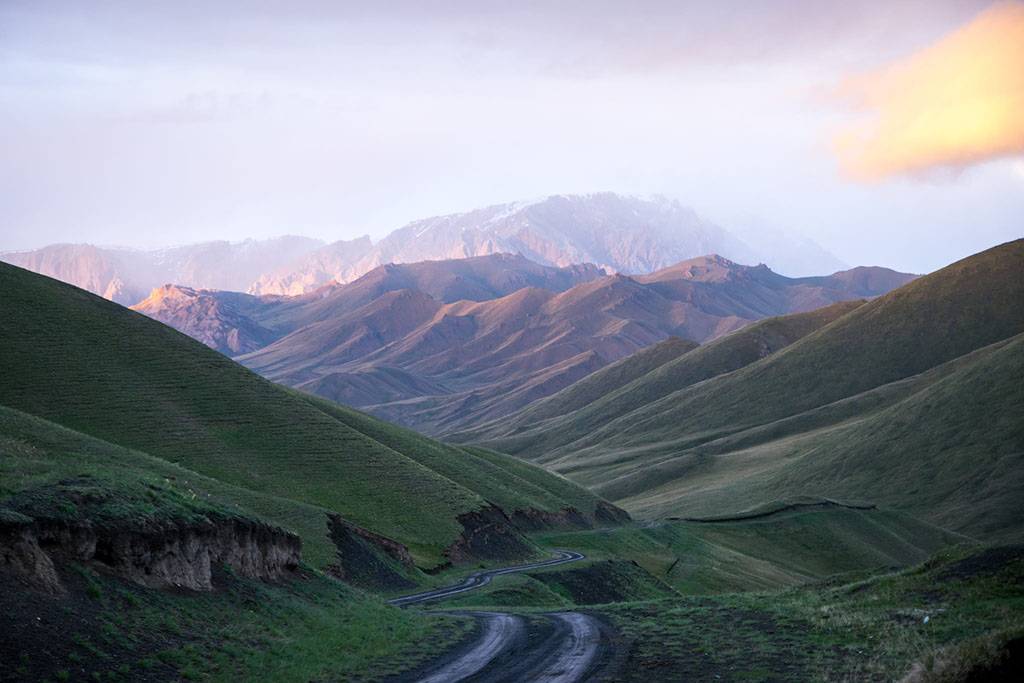
Song Kul, Song-Kol or Son-Kul: Kyrgyzstan's most iconic high-altitude lake. The passes in, the vehicle you need, the yurt camps and the right season.
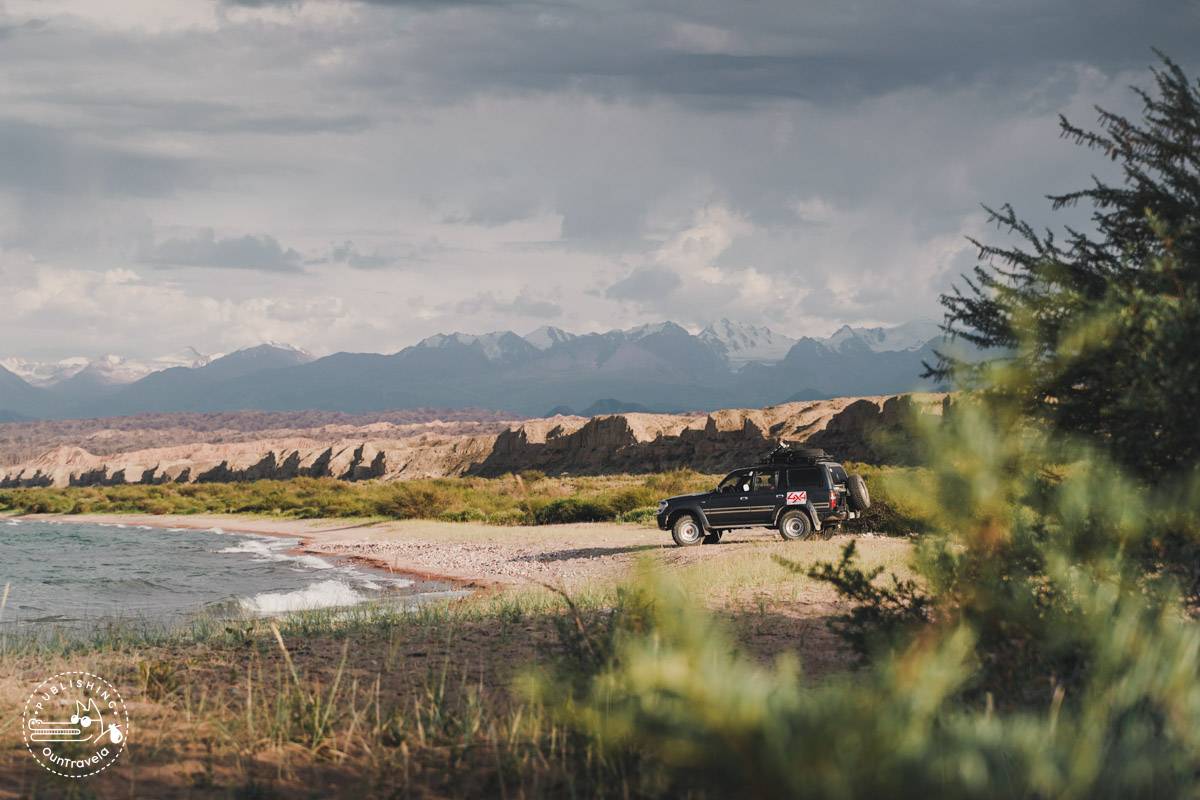
Song-Kul Lake sits at 3,016 metres in the heart of Kyrgyzstan's mountains, accessible only by rough dirt roads and utterly worth every kilometre. This guide covers everything you need for a successful self-drive: which roads to take, what vehicle you need, where to camp, and the best time to go.
Getting to Song-Kul Lake
There are three main access routes to Song-Kul, each with its own character. The most popular is the Kochkor route over Kalmak-Ashuu Pass (3,446 m), which leads to the northern shore. The road is unpaved for the last 60 km but well-tracked and manageable in a standard 4x4.
The western approach, via Chaek and Kara-Keche Pass (approx. 3,300 m), is longer but offers spectacular scenery through narrow gorges. This route is rougher and requires a high-clearance vehicle with good off-road experience. Budget 4-5 hours from the junction.
The south-eastern approach from Naryn over Moldo-Ashuu Pass (3,346 m) is the least used. The road is in poor condition in sections and best avoided unless you're coming from the south.
Which Vehicle Do You Need?
The short answer: any 4x4 with good ground clearance and a high-range 4WD mode. You don't need an expedition-grade off-roader, but a standard SUV or city crossover is not a good idea.
Recommended vehicles
Toyota Land Cruiser (series 70, 80, or 100), the gold standard in Kyrgyzstan. Reliable, parts available everywhere.
Mitsubishi Pajero / Montero, solid alternative, slightly less rugged but very capable.
Toyota Prado, good clearance, comfortable on long drives.
UAZ Patriot, local Russian 4x4. Very cheap to rent but minimal comfort.
Not recommended
Crossovers and AWD SUVs (Rav4, CR-V, Tucson), not suited for extended rough terrain
Sedans, will ground out on the river crossings near the lake
Road Conditions & Driving Tips
The road surface from Kochkor to the lake is a mix of gravel track and compacted earth. After rain, sections become slippery and some shallow river crossings can be tricky.
| Segment | Distance | Surface | Difficulty |
|---|---|---|---|
| Kochkor → Kalmak-Ashuu Pass | 55 km | Asphalt then gravel | Easy |
| Kalmak-Ashuu → Lakeside | 40 km | Dirt track, some ruts | Moderate |
| Lake circuit | ~70 km | Grass / dirt, no track | Adventurous |
Where to Camp
The entire lakeshore is open for camping. There are no designated sites, you set up wherever you find flat ground. The northwest shore offers the most spectacular views. Yurt camps are scattered around the perimeter; prices range from 700 to 1,200 KGS per person with dinner and breakfast.
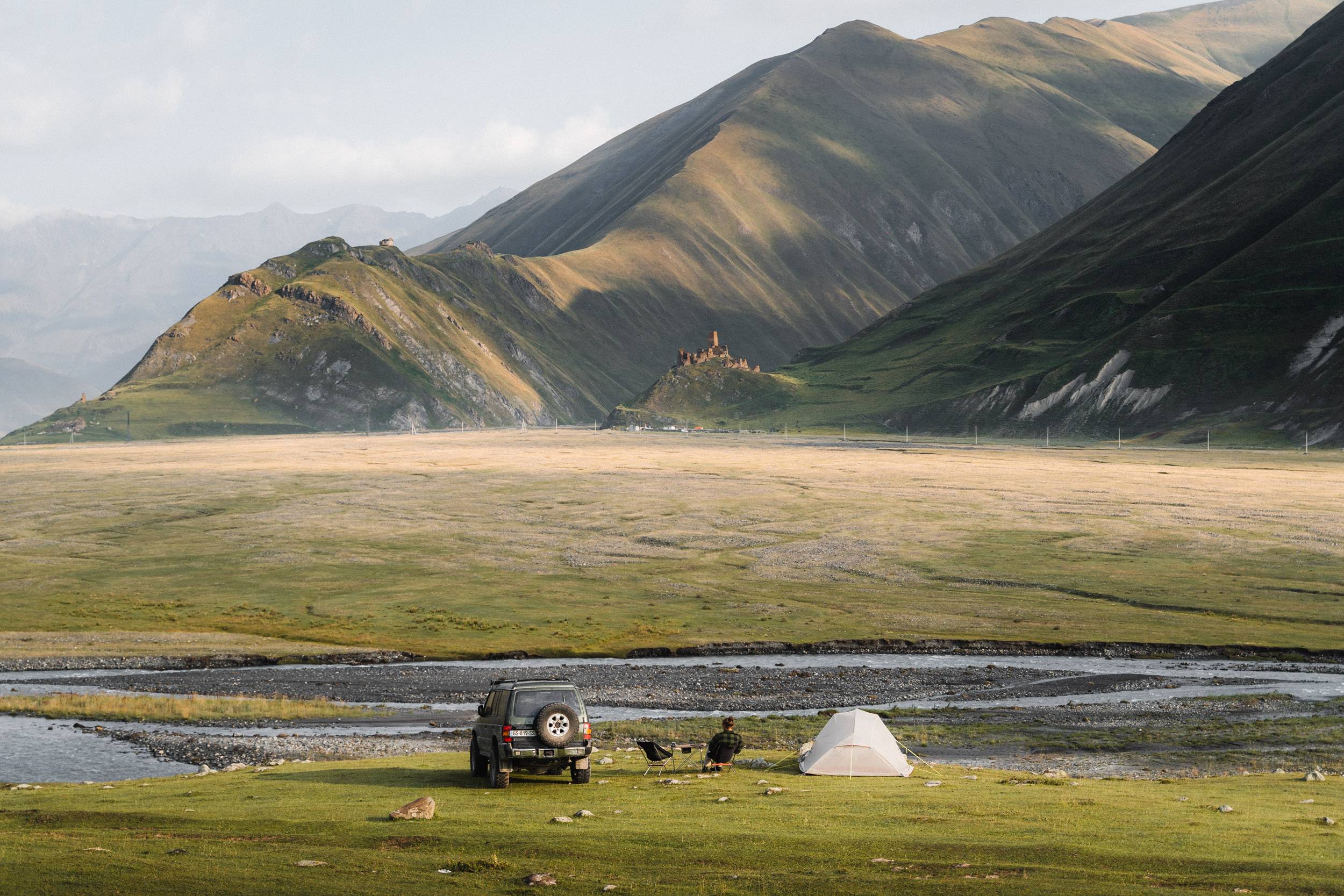
If you're self-sufficient with your rooftop tent, you have complete freedom. Park 20-30 metres from the shoreline and enjoy total silence. Water from the lake is not drinkable, bring at least 5 litres per person per day.

Best Time to Go
Late July to mid-August is the sweet spot. The weather is stable, temperatures are bearable (0-15°C at night), and the grass is green. Herds of horses and yaks add to the scenery.
Early June and late September are possible but risky, snowfall can close the pass without warning. Always check road conditions locally before heading up.
Practical Information
Fuel: Fill up completely in Kochkor. There is no petrol station near the lake.
Mobile signal: MegaCom and Beeline have partial 3G on the plateau. Don't count on it.
Entrance fee: None. Some yurt camps charge a small camping fee.
Currency: Cash only. Bring enough Som before leaving Bishkek.
Nearest town: Kochkor (~2h from the lake).
Where Song Kul fits in a trip
Song Kul is almost never a destination on its own: it sits in the middle of the northern loop, two nights between Karakol and Kochkor. For the stage-by-stage version, see our Kyrgyzstan itinerary, and for everything else worth building a route around, things to do in Kyrgyzstan.

