 EN
 FR
 DE
 NL
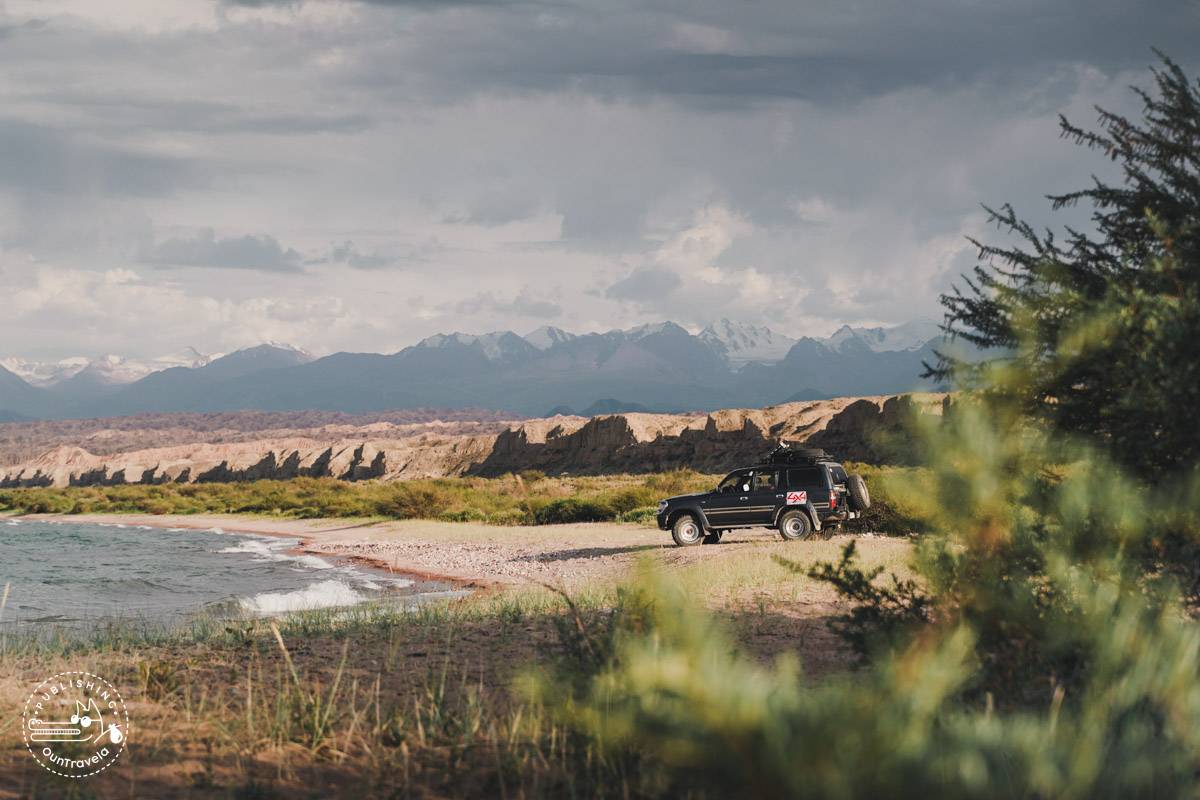
Campervan Rental in Namibia
Rent a camper van in Namibia for comfort on the main gravel and tar routes. Bed, kitchen and storage in one, ideal for Windhoek to Swakopmund and the Etosha and Sossusvlei approaches. Pick-up in Windhoek or Swakopmund.
A camper van is the comfortable way to travel Namibia on its tar roads and graded gravel. You carry your bed, kitchen and storage with you and stop where you like along the main axes. For deep sand and remote tracks, a 4x4 with more clearance is the safer tool, and this page explains exactly where each one fits.
The best rental companies in Namibia, very soon.
Our guides are already here to plan the trip.
Why Rent a Camper Van in Namibia?
A camper van turns the driving days into part of the trip. You carry your bed, a small kitchen and your storage with you, so you stop where you like, cook your own meals and skip the nightly hunt for a room. On Namibia's tar roads and graded gravel, that comfort is hard to beat, and you sleep indoors rather than on the roof.
The main routes suit a van well: the sealed Windhoek to Swakopmund highway, and the graded gravel approaches to Etosha and Sossusvlei. On these roads a van is comfortable and relaxing, with a fixed bed and a proper kitchen at the end of the day.
For the final sand into Sossusvlei, Kaokoland and remote Damaraland, a van is not the right tool. Choose a 4x4 with rooftop tent instead, built for the sand and the rough 4x4-only routes.
Where a Camper Van Works, and Where a 4x4 Is Safer
Being honest about the limits is what keeps your trip enjoyable. A camper van is a road vehicle with a raised living space, not an off-road 4x4. Here is the practical split for Namibia.
Great for a camper van
- Windhoek to Swakopmund: sealed tar the whole way, fast and easy.
- The graded gravel approaches to Etosha, driving the park's main routes between waterholes.
- The graded C-roads towards Sesriem, the gateway to Sossusvlei.
Where a 4x4 is safer
- The final 5 km of deep sand into Sossusvlei, which needs low range.
- Kaokoland (Kunene) and remote Damaraland, rough 4x4-only tracks driven in convoy.
- Any route with soft sand, river beds or gradients beyond a graded gravel road.
Driving Gravel and Staying Self-Sufficient
Namibia runs on gravel, and a van handles the graded roads well with a little care. Keep speeds moderate at 60 to 80 km/h, read the washboard and loose corners, and slow right down for oncoming trucks that throw stones. Never drive at night: wildlife on the road at dusk and dawn is the biggest hazard.
The distances are the other challenge. Fuel stations are far apart away from the main axes, so fill the tank whenever you pass a pump, carry water for at least two days per person, and buy food before leaving Windhoek or Swakopmund. Plan refills around the larger towns and the Etosha gates, and keep cash for remote pumps.
Camper Van or 4x4 With Rooftop Tent?
The two setups solve different problems. A camper van gives you indoor comfort and a kitchen on the tar and graded gravel. A 4x4 with rooftop tent gives you the clearance for deep sand and the remote tracks, at the cost of a rougher ride and a tent to pitch each night.
A simple rule: if your route sticks to Windhoek, Swakopmund and the graded approaches to the parks, a van is comfortable and economical. If it includes the sand into Sossusvlei, Kaokoland or remote Damaraland, take the 4x4. For a mix of both, most travellers pick the 4x4 for its range, then keep to easier roads on the comfort days.
Pick-up and Logistics: Windhoek and Swakopmund
Windhoek
- Main pick-up point
- Hosea Kutako International Airport
- Start of the loop
The capital is the main pick-up point and the natural start of the loop. Collect your van at Hosea Kutako International Airport or in the city, do your big shop and first fill-up here, then head out.
Swakopmund
- Second hub
- Starting near the coast
- One-way to Windhoek: drop fee
The coastal town is the second hub, ideal if you are running the route in reverse or starting near the coast. Some partners offer one-way rentals between Windhoek and Swakopmund for a drop fee, confirm at the time of booking.
A camper van is a lovely way to do the main Namibia loop if you match it to the road. The Windhoek to Swakopmund run and the graded approaches to Etosha are a joy in a van, with a proper bed and kitchen at night. We just keep it off the deep sand and the remote tracks. When the plan involves the sand into Sossusvlei or Kaokoland, we swap to a 4x4 without hesitation. Match the vehicle to the road and Namibia rewards you either way.
You pay the exact same price as booking direct with the local agency. No hidden service fees, no middleman markups, just the agency's own local price.
