 EN
 FR
 DE
 NL
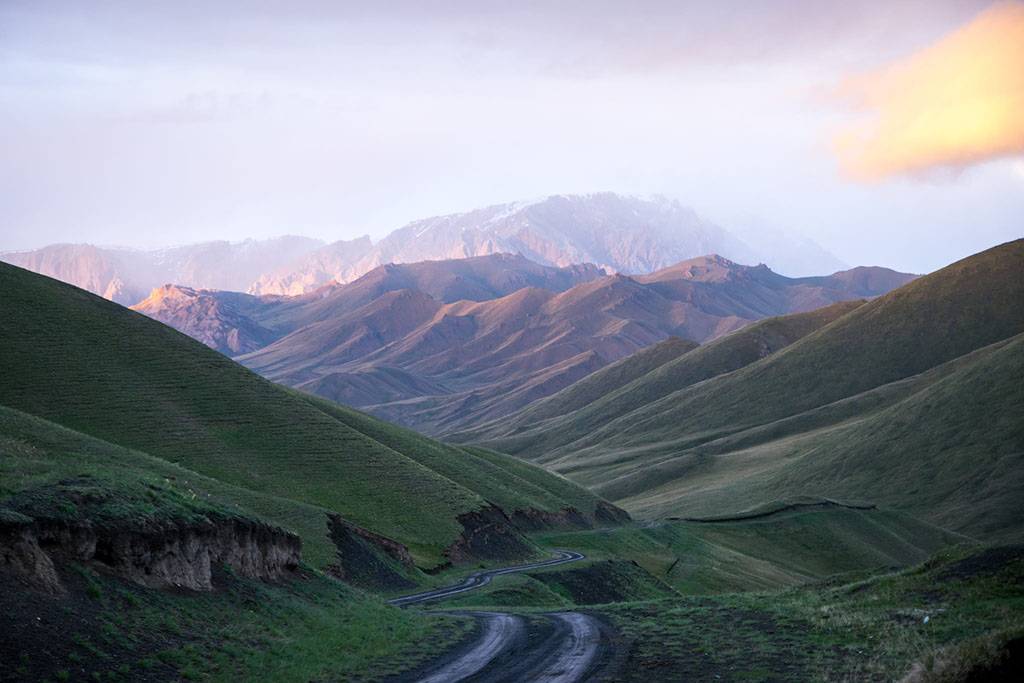
Lakes at 3,000 metres, nights in a yurt camp with the herders, red canyons and passes above 3,500 m: the 18 places and experiences that make a trip to Kyrgyzstan.
A mountain country where everything has to be earned
Kyrgyzstan is more than ninety per cent mountain, and that single fact decides everything else. Distances are counted in hours of pass rather than kilometres, and the best places to visit in Kyrgyzstan sit at the end of a track. Tourism here is still young, which explains both the quality of the encounters and how raw the logistics can be.
It is also the most accessible country in Central Asia for independent travel: no visa for most visitors, no permit for the majority of treks, and a nomadic culture that is lived rather than performed. Two thousand years of Silk Road traffic left caravanserais and ruined cities across the same valleys the herders still use, which is why the best things to do in Kyrgyzstan tend to combine both at once.
These are the eighteen places and experiences that shape almost every trip, with the time to allow and the level of access each one needs. Unlike most lists of Kyrgyzstan tourist attractions, half of what follows is not a site you visit but something you do.
The high-altitude lakes
1. Song Kul (3,016 m)
The symbol of the country: a lake sitting on a high plateau without a single tree, ringed by summer pasture where the herders raise their yurts from June to September. You sleep with a family, you ride, and the silence is total. Four different passes lead up to Song Kul, the classic being Kalmak Ashuu from Kochkor.
Allow: two nights. The access routes are detailed in our Song Kul guide.
2. Issyk Kul lake
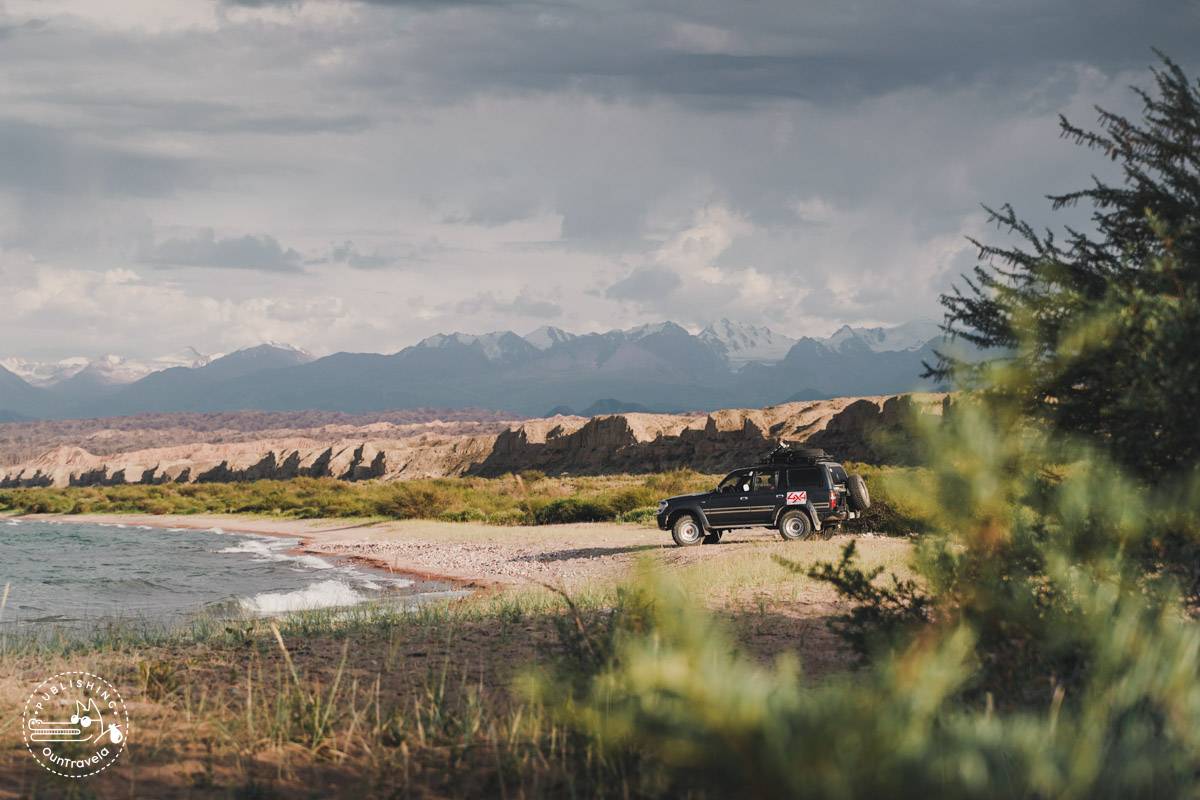
The second largest alpine lake in the world, 180 kilometres long, slightly saline and it never freezes. The north shore is the holiday coast and gets busy; the south shore is wilder and opens onto the interesting valleys. Almost every itinerary passes through Issyk Kul at some point.
Allow: two to four nights depending on the side trips.
3. Kel Suu lake
A turquoise lake wedged between vertical walls near the Chinese border, at the end of 30 kilometres of track. It is one of the most spectacular places to visit in Kyrgyzstan and one of the hardest to reach.
Careful: Kel Suu sits inside a border zone and requires a border permit applied for in advance. Without it you are turned back at the checkpoint, and there is no way to fix it on the spot.
4. Sary Chelek
A mountain lake surrounded by forest in the west of the country, inside a UNESCO biosphere reserve. Far greener than the rest of Kyrgyzstan, and markedly less visited.
The experiences that make the trip
5. Sleeping in a yurt camp with the herders
This is not an attraction, it is how Kyrgyz herding families spend their summer. From June to September they move up to the high pastures, the jailoo, with their animals and their yurts. Many take in travellers for the night with meals included and no booking. A night in a yurt camp at Song Kul or in the Suusamyr valley is the memory most people come home with, and it is the clearest window onto nomadic culture the country offers.
6. Trekking
Kyrgyzstan has become one of the great trekking destinations in Central Asia, for good reasons: no permit on most routes, alpine scenery that stands comparison with the Alps without the crowds, and a very low cost. The classics are the Ala Kul trek from Karakol, the Jyrgalan valley, and the walk-in routes to Song Kul from Kyzart.
7. Horse riding
The horse is the soul of the country. Multi-day horseback trips with a local guide, moving from pasture to pasture, are among the most honest ways to see Kyrgyzstan. No riding experience is needed for the short routes, and horse riding is often cheaper than hiring a driver for the same ground.
8. Eagle hunting and the nomad games
Hunting with a golden eagle is a living tradition rather than a museum piece, and eagle hunting demonstrations by berkutchi are given around Bokonbaevo on the south shore of Issyk Kul. If your dates line up, a match of kok boru, the Kyrgyz version of buzkashi, is worth a detour on its own. Ask locally: these nomad events are almost never announced online.
9. Altyn Arashan and the hot springs
Above Karakol, a valley of alpine meadow and spruce with natural hot springs at the top, reached by one of the roughest tracks in the country. Most people go up by shared Soviet-era van, on foot or on a genuine 4x4. Soaking in hot springs at 2,600 metres after a day of walking is the reward.

Canyons, valleys and passes
10. Jeti Oguz, the Seven Bulls
Red sandstone cliffs shaped like the flanks of bulls, south of Issyk Kul, with a green valley running up behind them towards the summer pastures. Easy to reach and genuinely spectacular, which makes it the standard half day out of Karakol.
11. Skazka Canyon, the fairy tale canyon
A maze of eroded rock in red and orange on the south shore of Issyk Kul lake. Small, free to enter, and one of the most photogenic hours in the country. An hour is enough.
12. Ala Archa National Park
Forty minutes from Bishkek, a glacial valley with walks from a couple of hours to several days. It is the obvious escape at the start or end of a trip, when you have half a day and no wish to waste it in the capital.
13. The high passes
Kyrgyzstan is crossed by passes above 3,000 metres: the Too Ashuu and the Ala Bel on the Bishkek to Osh road, the Barskoon on the way to the high plateaus, the Chon Kemin valley on the northern route. More often than not it is the drive itself that stays with people, more than the destination at the end of it.
The Silk Road and the cities
14. Tash Rabat
A fifteenth-century stone caravanserai standing alone in a valley at 3,200 metres, on the old Silk Road route towards China. Tash Rabat is bare and silent, and you can sleep in a yurt camp right beside it, which is the whole point of going.
15. Burana Tower
An eleventh-century minaret an hour from Bishkek, the surviving fragment of Balasagun, a Silk Road city that has otherwise vanished. The field of balbal stone grave markers around the Burana Tower is as interesting as the minaret itself.
16. Bishkek
The capital is Soviet town planning at its most orderly: wide avenues, plane trees, Ala Too Square and a mountain wall visible at the end of every street. Osh Bazaar, named after the road south rather than the city, is the one genuine sight in Bishkek, and the bazaar is where you buy anything the trip turns out to need.
Allow: one day, mostly for logistics and a decent meal before or after the mountains.
17. Karakol
The town at the eastern end of Issyk Kul, and the best base in the country. A wooden Russian Orthodox cathedral built without nails, a Dungan mosque in Chinese style built the same way, and a Sunday animal bazaar that is the real thing rather than a show. Karakol is also the trailhead for Ala Kul, Altyn Arashan and Jyrgalan.
Allow: two nights, more if you trek.
18. Osh and Sulaiman Too
The second city, in the south, with its busy Jayma bazaar and a sacred mountain listed by UNESCO rising straight out of the town. Osh is also the jumping-off point for the Pamir and the Alay valley, and the reason many people fly out from a different airport than they flew into.
Two more worth the detour if the route allows: Arslanbob and the largest walnut forest in the world, and the Naryn region, which is the emptiest and most nomadic part of the country.
When to go
The useful window is short: mid-June to mid-September. Before that the high passes are still under snow and the tracks are mud. After it, the yurts come down and the high plateaus close. July and August have the crowds and the jailoo in full swing; June and September are quieter but bring cold nights and a real chance of snow on the passes.
Getting there and getting around
Most travellers fly into Manas airport outside Bishkek, and a good number fly home from Osh at the other end of the country, which saves backtracking on a two-week itinerary. Both are served through Istanbul, Dubai and the Gulf hubs, and both sit within an hour of a decent bed.
Between towns, Kyrgyzstan runs on marshrutka minibuses and shared taxis. They are cheap, frequent and easy enough to use, and they will get you from Bishkek to Karakol, Naryn or Osh without any planning. What they will not do is take you up to Song Kul, to Kel Suu, into Altyn Arashan or anywhere else on the jailoo, because none of those places has a road, only a track.
That gap is the whole practical question of a trip here. Public transport covers the tarmac, which is perhaps a third of this list. Everything else is reached by hiring a vehicle, joining a driver, walking in, or going on horseback. There is no fourth option, and deciding which one you want should come before you book anything else.
How many days do you need
Five days: enough for Bishkek, Issyk Kul and two nights at Song Kul, and nothing else. It works, but it is tight.
One week: the northern loop done properly. Bishkek, Burana, the south shore of Issyk Kul, Karakol and Jeti Oguz, with two nights at Song Kul.
Two weeks: the same plus Naryn, Tash Rabat, Kel Suu if your permit came through, and a trek.
Three weeks: add the south, Osh, Arslanbob and the Alay valley towards the Pamir.
The stage-by-stage version is in our Kyrgyzstan itinerary.
Frequently asked questions
Is Kyrgyzstan worth visiting?
For mountains, nomadic culture and low costs, it is the best value in Central Asia and there is nothing else quite like the jailoo in summer. It is a poor choice for anyone who wants comfort, museums or a beach holiday.
Is five days enough for Kyrgyzstan?
Enough for the north: Bishkek, Issyk Kul and Song Kul. It is not enough to cross the country or to add a trek, both of which need at least ten days.
Is seven days enough in Kyrgyzstan?
Seven days is the sweet spot for a first trip. It covers the full northern loop without rushing, including two nights in a yurt camp and a day walking near Karakol.
Can British travellers go to Kyrgyzstan?
British and most European passport holders enter visa free for tourism. Check the current allowance for your nationality before booking, and remember the border permit is a separate document that visa-free entry does not cover.
Do you need a 4x4 to visit Kyrgyzstan?
For the main roads and the loop around Issyk Kul lake, no. For Song Kul, Kel Suu, Altyn Arashan and most of this list, yes: the mountain tracks demand real ground clearance.
Is Kyrgyzstan safe?
It is one of the safest countries in Central Asia for independent travel. The genuine difficulties are altitude, mountain weather and track conditions, not personal security.
How much money do you need in Kyrgyzstan?
It is among the cheapest countries in the region. Yurt stays with meals, local food and fuel all cost little; the vehicle is by far the largest line in the budget, which is why sharing one changes the total dramatically.
In short
Kyrgyzstan rewards travellers who accept going slowly: two nights per stop, passes crossed in the morning, and a night in a yurt rather than a hotel. The vehicle is what decides how much of this list you actually reach. For the concrete order of the stages, see our Kyrgyzstan itinerary.

